
The Future of Global Protein Trade: Trends Shaping 2026 and Beyond
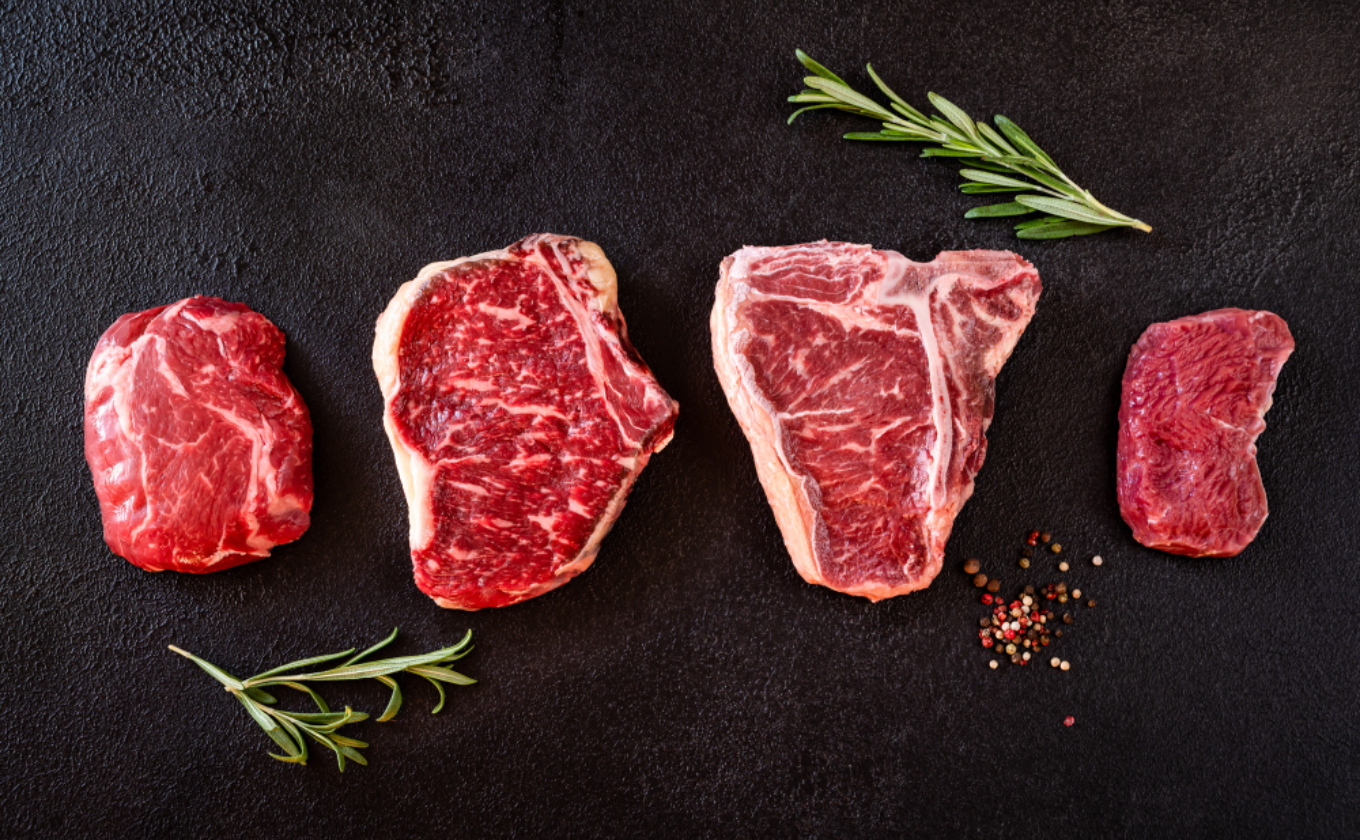
The global protein trade is entering a transformative era. As demand continues to rise across emerging markets and supply chains evolve under new pressures, the industry is being reshaped by innovation, sustainability, and shifting consumer expectations.
From traditional meat exports to alternative proteins and digital logistics, 2026 marks a pivotal moment for stakeholders across the supply chain. Here’s a closer look at the key trends shaping the future of global protein trade.
1. Rising Global Demand and Market Expansion
Global protein consumption is projected to grow steadily, driven by population increases, urbanization, and rising incomes—particularly in regions like Asia, Africa, and Latin America.
Consumers in these markets are demanding:
Higher-quality protein sources
More consistent supply chains
Greater transparency in sourcing
This surge is creating significant opportunities for exporters in North America and beyond, especially those with scalable infrastructure and strong logistics networks.
2. Supply Chain Resilience and Diversification
Recent global disruptions have exposed vulnerabilities in traditional supply chains. As a result, companies are prioritizing resilience through:
Diversified sourcing strategies
Regional distribution hubs
Advanced cold-chain logistics
Real-time tracking and forecasting tools
The future belongs to businesses that can adapt quickly and maintain consistency, even in uncertain conditions.
3. Sustainability Becomes a Competitive Advantage
Sustainability is no longer optional—it’s a core differentiator.
Buyers and regulators alike are demanding:
Reduced carbon footprints
Ethical animal sourcing
Efficient water and land use
Transparent ESG reporting
Companies investing in sustainable practices are not only meeting compliance requirements but also gaining trust and long-term partnerships.
4. Technology and Digital Transformation
Technology is rapidly modernizing the protein trade industry.
Key innovations include:
AI-driven demand forecasting
Blockchain for traceability
Automated quality control systems
Digital trading platforms
These tools are helping companies reduce waste, improve efficiency, and build stronger connections between suppliers and buyers.
5. The Rise of Alternative Proteins
While traditional meat remains dominant, alternative proteins are gaining traction.
Plant-based and cultivated proteins are:
Expanding into new markets
Attracting investment and innovation
Influencing consumer expectations
Rather than replacing conventional protein sources, they are diversifying the global protein landscape and opening new business opportunities.
6. Evolving Trade Policies and Regulations
International trade policies continue to play a crucial role in shaping the industry.
Key considerations include:
Tariffs and trade agreements
Food safety regulations
Import/export restrictions
Certification requirements
Companies that stay ahead of regulatory changes and maintain compliance will be better positioned to expand globally.
7. The Shift Toward Value-Added Products
There is a growing demand for processed and value-added protein products.
Instead of raw exports, buyers are seeking:
Pre-portioned and packaged goods
Ready-to-cook or ready-to-eat solutions
Branded, premium offerings
This shift allows suppliers to increase margins and build stronger brand recognition in international markets.
Conclusion: A Dynamic and Opportunity-Rich Future
The future of global protein trade is dynamic, competitive, and full of opportunity.
Success in this evolving landscape will depend on a company’s ability to:
Adapt to changing market demands
Embrace technology and innovation
Commit to sustainability
Build resilient and flexible supply chains
As we move into 2026 and beyond, the companies that lead with strategy, agility, and vision will define the next chapter of global protein trade.